Why Do High-Usage Sites Need a Different Tank Maintenance Plan Than Low-Usage Ones?

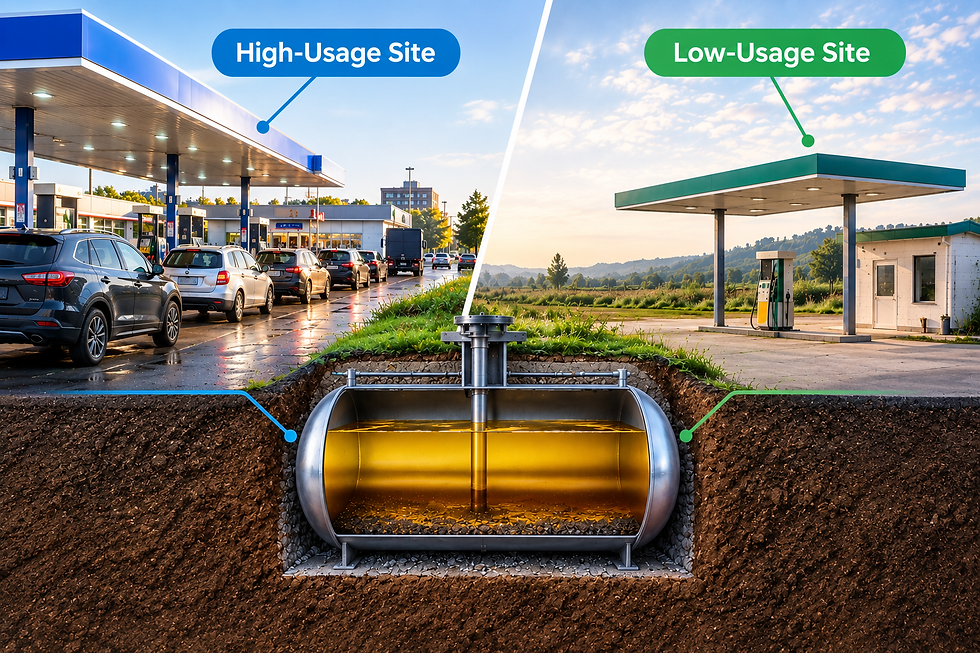
A busy service station moving thousands of litres a week faces a completely different set of pressures than a smaller site that turns over fuel far more slowly. Treating both under the same maintenance schedule ignores exactly the factor that determines how quickly problems actually develop.
Usage Is the Variable Most Schedules Ignore
Generic maintenance guides tend to suggest a single interval: clean every couple of years, polish once annually, and call it done. That approach works reasonably well for an average site, but very few sites are actually average.
Tank Maintenance NSW providers who work across a range of site types consistently see that fuel turnover, more than tank age or even storage conditions, is the strongest predictor of how often maintenance is genuinely needed.
A tank moving large volumes of fuel weekly experiences a very different contamination pattern than one where fuel sits for extended periods with minimal turnover.
How High Usage Changes the Contamination Pattern
It might seem logical that more fuel moving through a system would mean cleaner fuel overall, since less sits stagnant. In practice, high usage introduces its own set of pressures.
Frequent refilling introduces more opportunities for contaminants to enter the tank
Higher fuel flow can stir up sediment that would otherwise settle undisturbed
Equipment under constant use shows the effects of fuel quality issues faster
Filters clog sooner simply because more fuel is passing through them regularly
A high-turnover site is not necessarily dirtier than a low-usage one, but the pace at which problems become noticeable is considerably faster, which changes how often inspection and maintenance actually need to happen.
Why Low-Usage Sites Face a Different Risk
Low-usage sites are not exempt from problems either; they simply develop along a different timeline that a standard schedule can also miss.
Stagnant Fuel Degrades on Its Own Schedule
Fuel sitting unused for long stretches degrades through oxidation regardless of how little activity the tank sees. A low-usage site might go a year or more without needing a tank clean, while the fuel itself quietly ages past the point of good quality.
Sediment Settles Undisturbed
Without frequent refilling to stir the tank, sediment settles into a stable layer at the bottom. This buildup can go unnoticed for longer simply because there is less activity to expose the problem through obvious symptoms.
Building a Schedule Around Actual Usage
Rather than applying a single interval across every site, an effective approach starts with an honest assessment of how that specific tank is actually being used.
Measure approximate fuel turnover across a typical month
Factor in storage conditions, including exposure to humidity or temperature swings
Review any history of previous contamination or equipment issues
Set inspection and cleaning intervals based on these specific findings, not a generic default
This process looks different for every site, which is exactly the point. A schedule built around actual conditions catches problems far earlier than one applied uniformly regardless of usage patterns.
What This Looks Like for High-Usage Sites
For a busy service station, this typically means more frequent inspection intervals, closer monitoring of filter replacement rates, and fuel polishing scheduled more often than the standard once or twice a year guideline.
Tank cleaning itself might still fall within the usual one to three year range, but the inspection and testing that happens between cleanings needs to be more frequent to catch issues before they reach dispensing equipment.
What This Looks Like for Low-Usage Sites
Lower-usage operations often benefit from a different focus entirely. Rather than frequent inspection driven by turnover, the priority shifts toward monitoring fuel age and scheduling polishing based on how long fuel has been sitting, regardless of how little has been drawn from the tank.
Sediment checks still matter, but the interval can typically be longer than a high-usage site would need, provided fuel quality testing is happening on a schedule that accounts for degradation over time rather than volume moved.
Location Adds Another Layer
Beyond usage, local conditions shape maintenance needs as well. A site in a coastal or humid area faces different pressures than one further inland, and urban commercial operations often carry their own specific demands tied to volume and vehicle traffic.
Tank cleaning Sydney operators frequently see this play out in practice, with dense commercial areas and heavy vehicle traffic creating higher turnover patterns that call for tighter maintenance intervals than a quieter regional site might need.
Why Urban High-Traffic Sites Warrant Closer Attention
Sites positioned along major routes or in busy commercial districts tend to see fuel turnover well above average, simply due to constant vehicle traffic. That volume accelerates the same contamination patterns high-usage sites experience elsewhere, making a tailored schedule just as important in these locations as it is for any other high-turnover operation.
The Cost of Getting the Schedule Wrong
Applying a low-usage schedule to a high-usage site risks missing problems until they have already reached dispensing equipment, leading to breakdowns that a tighter inspection interval would have caught.
Applying a high-usage schedule to a low-usage site is less risky but still inefficient, potentially leading to unnecessary service visits and cost without addressing the actual driver of fuel degradation in that specific case.
Getting the balance right matters for both cost control and equipment protection, which is why a one-size approach rarely serves either type of site particularly well.
Reviewing and Adjusting Over Time
Usage patterns change. A site that expands its operating hours, adds vehicles, or sees increased customer traffic will shift from a lower-usage profile toward a higher one, and the maintenance schedule should shift alongside it.
Periodic review of the maintenance plan itself, not just the tank, ensures the schedule keeps pace with how the business is actually operating rather than reflecting conditions from years earlier.
Building a Plan That Actually Fits
The sites that avoid unexpected breakdowns are rarely the ones following the most conservative or most frequent schedule available. They are the ones whose maintenance plan actually reflects how their tank is used, adjusted for local conditions, and reviewed as circumstances change.
FAQs
Q1: How much more often should high-usage sites schedule maintenance?
This varies by site, though high-turnover operations often benefit from inspection intervals two to three times more frequent than a low-usage site would need.
Q2: Do low-usage sites really need maintenance if fuel barely moves?
Yes. Stagnant fuel degrades through oxidation and moisture exposure regardless of usage, so low-usage sites still need regular fuel quality checks.
Q3: Does location affect how often a tank needs maintenance?
Yes. Climate, humidity, and local traffic volume all influence how quickly contamination or fuel degradation develops at a given site.
Q4: Can a maintenance schedule be adjusted after it's already set?
Yes, and it should be reviewed periodically, particularly if usage patterns or operating hours at the site have changed significantly.
Q5: Is tank cleaning frequency the same for high and low usage sites?
Not necessarily. While cleaning intervals may be similar in some cases, the inspection and testing frequency between cleanings usually differs based on actual usage.
Comments